


Best Selling Products
Sale!
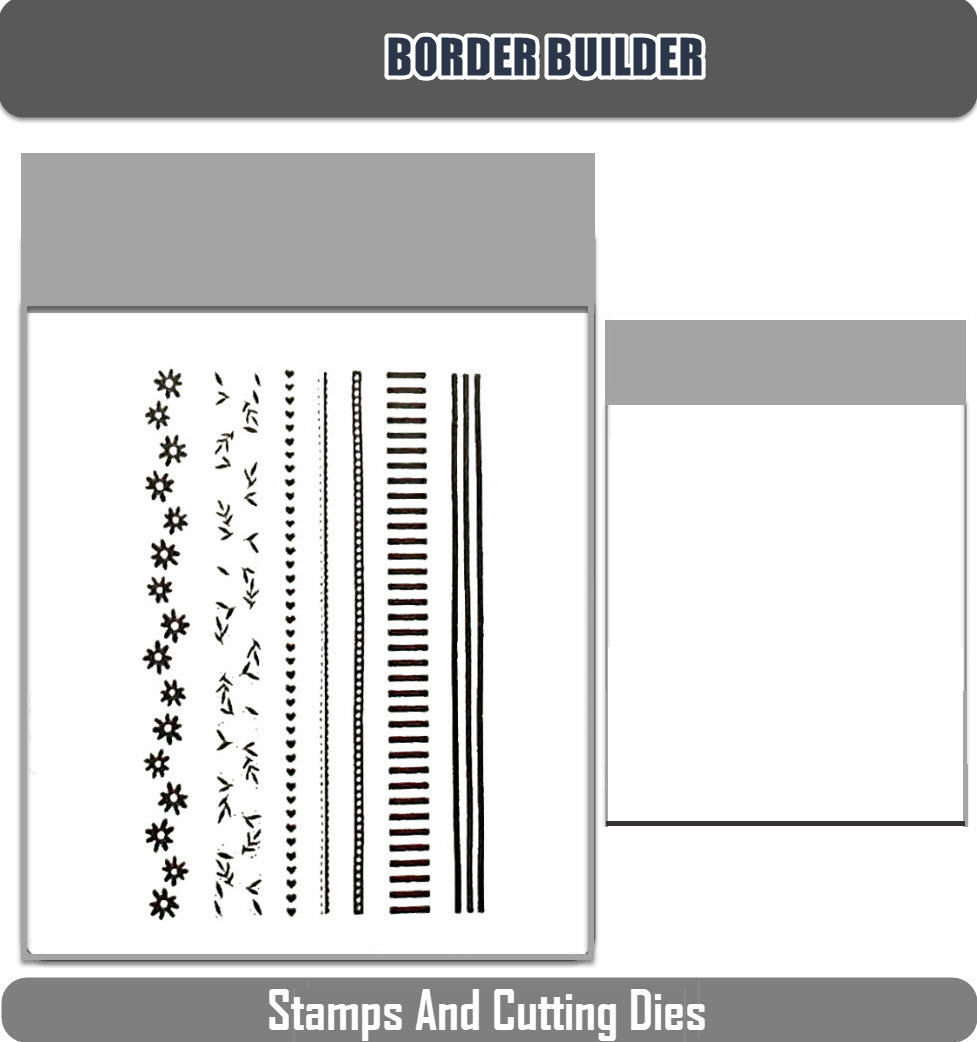
Original price was: $12.88.$8.88Current price is: $8.88.
Sale!
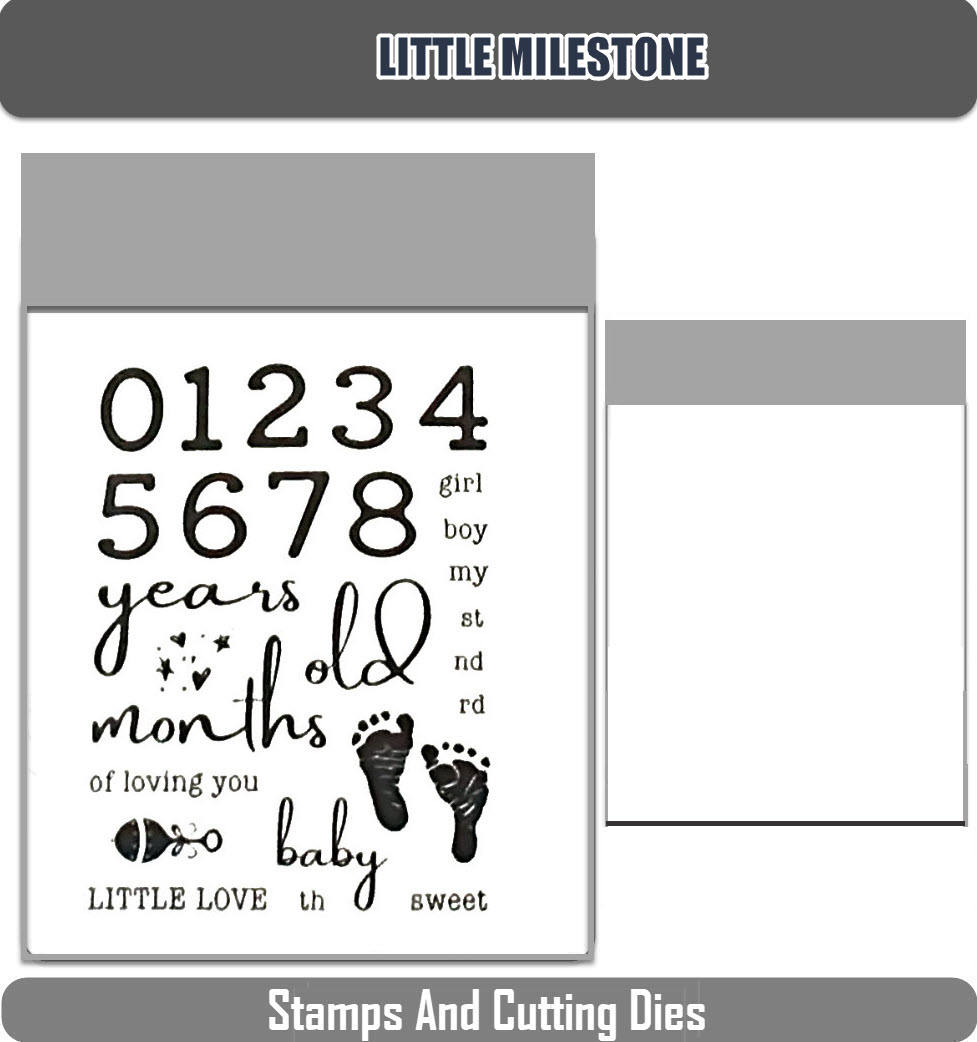
Original price was: $12.88.$8.88Current price is: $8.88.
Sale!
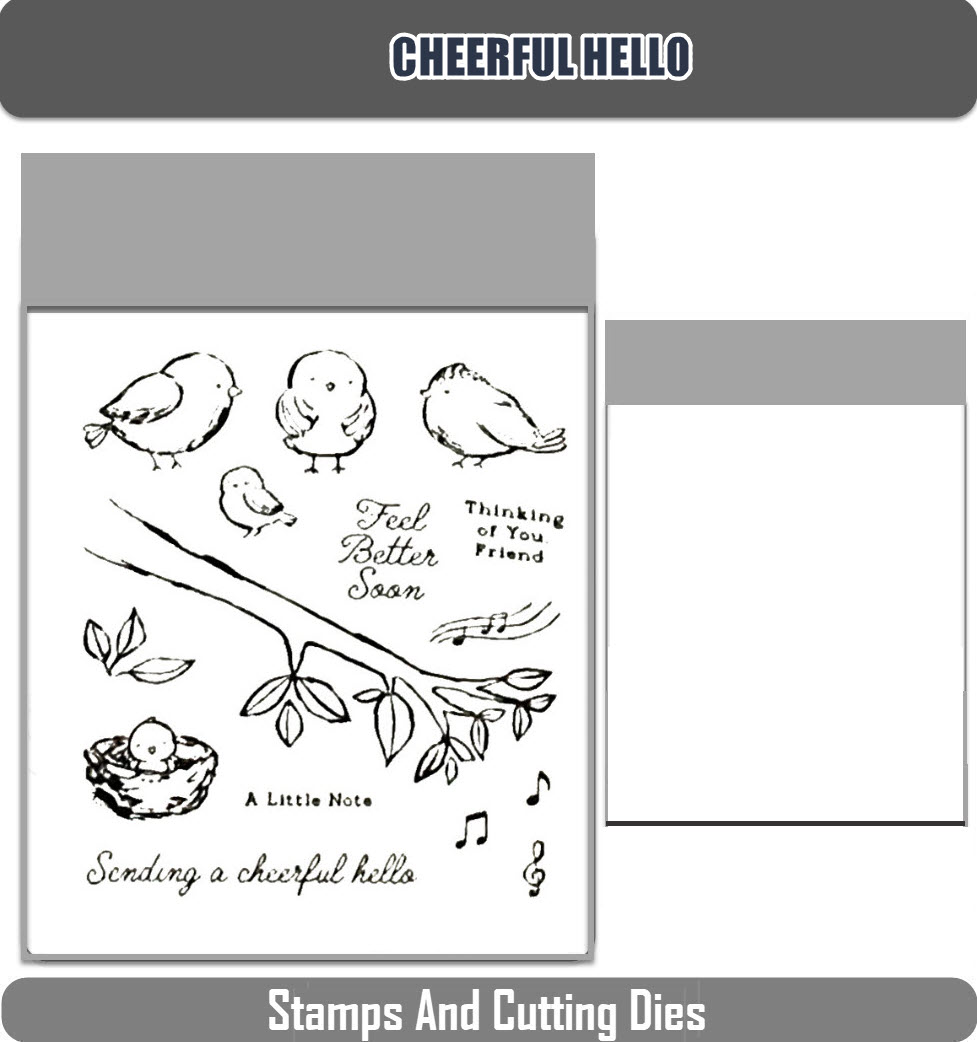
Original price was: $12.88.$8.88Current price is: $8.88.
Sale!
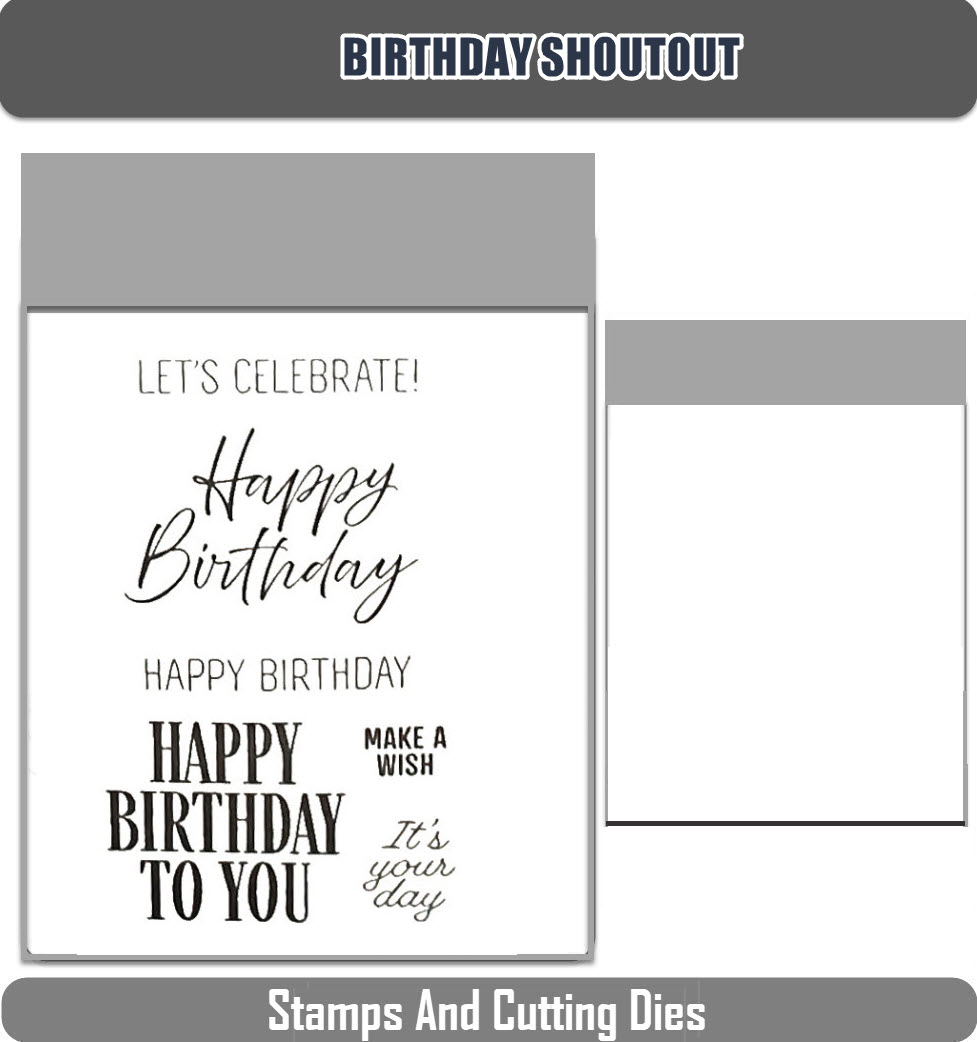
Original price was: $12.88.$8.88Current price is: $8.88.
Sale!
Original price was: $12.88.$8.88Current price is: $8.88.
Sale!
Original price was: $12.88.$8.88Current price is: $8.88.
Sale!

Sale!
$8.88 – $13.88
Sale!

Sale!

Sale!

Sale!

Sale!

Sale!

Sale!

Sale!

$8.88 – $13.88
Sale!

$8.88 – $13.88
Sale!

Browse our categories

Free Shipping on all orders
Get Free Shipping on all orders over $75 and free returns to our UK returns centre! Items are dispatched from the US and will arrive in 5-8 days.
Amazing customer service
Get Free Shipping on all orders over $75 and free returns to our UK returns centre! Items are dispatched from the US and will arrive in 5-8 days.
No Customs or Duty Fees!
We pay these fees so you don’t have to! The total billed at checkout is the final amount you pay, inclusive of VAT, with no additional charges at the time of delivery!
Examples are most valuable when they turn an abstract idea into a situation that readers can inspect, compare, and remember. In education, a well-chosen case should reveal the rule it illustrates while also showing where that rule stops applying, rather than presenting a polished answer without context. A worked example in test design, for instance, can show how a question measures reasoning, how distractors expose misconceptions, and how wording affects the reliability of results. That surrounding detail matters because learners build stronger mental models when they see both the decision and the evidence behind it. Editors and teachers therefore benefit from varying examples across industries, cultures, and levels of difficulty, ensuring that understanding transfers beyond the original case.